There Are TWO Raw Milks In America!
Raw Milk for People (Cow to Consumer):
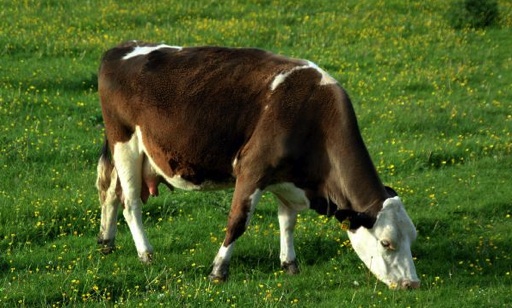
1. Regulated by state raw milk production statutes
2. Zero pathogens allowed at any time
3. Frequent regular testing by state agencies
4. Less than 10 coliform bacteria allowed per milliliter (ml)
5. Less than 15,000 Standard Plate Count [total bacteria or SPC] (in California)
6. No commingling of raw milk sources
7. All milk must come from one single dairy and on-farm creamery
8. All cows must be tested for tuberculosis (TB) annually
9. All cows must be
Brucellosis free
10. All cows must be examined by veterinarian for health
11. Cows are most often certified organic and not given antibiotics, hormones or GMO feeds
12. Cows are most often grass-fed
13. Cows are kept very clean
14. Dairy farmer is directly connected to his consumers
15. Special product liability insurance is required
16. Products are branded to reflect farmer's story
17. Farmer is personally responsible for his product and its safety
18. Farmer is personally responsible for his consumer and their health
19. In states where raw milk is sold and regulated, the safety record is very good compared to other foods
20. Raw milk is not perfect, but then no other food source is either
21. Raw milk is a complete food when left unprocessed and whole
22. Enzyme-rich with balanced ratio of raw fats and fat-soluble vitamins
23.
The ONLY food in America barred from crossing state lines by the FDA24. Contains a diverse population of beneficial bacteria, including acid-producing, pro-biotic bacteria that strongly support immune and digestive health
25. Much lower incidence of lactose intolerance than with pasteurized milk
26. Facilities inspected and approved by Interstate Milk Shippers Survey Program (IMS)
27.
CFR 1240.61
(Federal milk pasteurization guideline) was not based on organic, grass-fed raw milk
Raw Milk for Pasteurization (Cow to Processor):
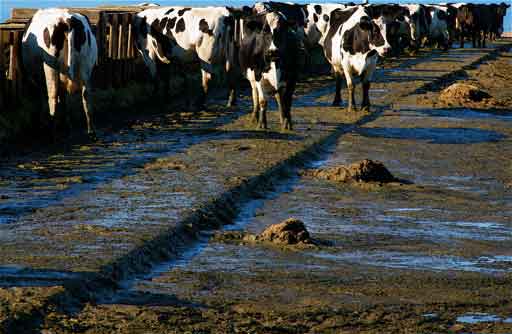
1. Produced under FDA Pasteurized Milk Ordinance (PMO) standards
2. Many pathogens may be present
3. Milk is not tested by the state
4. Up to 750 coliform bacteria allowed per milliliter (ml)
5. Up to 100,000 Standard Plate Count [total bacteria or SPC] as per PMO regulations
6. Raw milk from several sources is commingled
7. Raw milk from 50-100 dairies may be mixed together
8. Tuberculosis (TB) testing not mandatory
9. Brucellosis must be tested for by law
10. No veterinarian check of the cows is required
11. Cows may be given antibiotics, hormones, GMO feeds and may be managed in confinement
12. Cows rarely grass or pasture-fed
13. Cows may be clean or dirty
14. Dairy farmer is disconnected from his consumers
15. No liability insurance is required or expected
16. Product is rarely branded
17. Farmer is not held responsible for his raw milk
18. Pasteurized milk is generally safe, but has caused deaths and illness
19. Pasteurization is not a flawless process
20. Pasteurized milk is never tested for pathogens at any time from 'cow to consumer'
21. Pasteurized milk is changed from its natural form and has an incomplete nutrient profile
22. Enzymes are inactive and unsaturated fats are oxidized
23. Is supported for sale in all 50 states
24. Heat of pasteurization destroys virtually all naturally occurring acid-producing bacteria
25. 10-15% of U.S. population experiences lactose intolerance with pasteurized milk
26. Facilities inspected and approved by Interstate Milk Shippers Survey Program (IMS)
27.
CFR1240.61
(Federal milk pasteurization guideline) was based on 'conventional confinement raw milk' in the 1950's
Source: National Conference on Interstate Milk Shipments (NCIMS)